
Hudson Valley Spring Freeze 2026: Impact on Orchards and Vineyards in Ulster & Orange Counties
Shawangunk Wine Trail
April 28, 2026
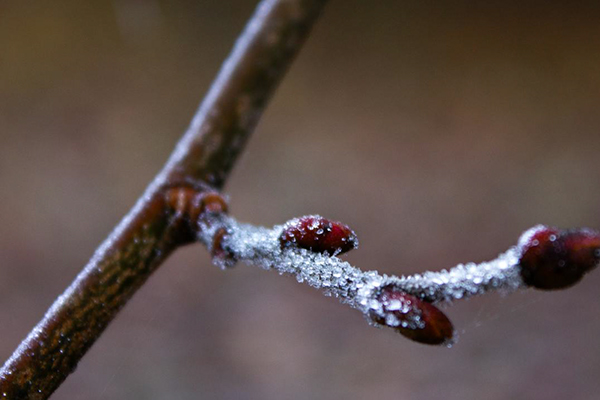
A Sudden Shift in the Hudson Valley Growing Season.
In late April 2026, the Hudson Valley experienced a sharp weather swing that affected farms across Ulster County and Orange County.
After several days of unseasonably warm temperatures reaching into the 80s, fruit trees and grapevines entered early stages of growth and bloom. Shortly after, overnight temperatures from April 20 into April 21 dropped into the low 20s in parts of the region.
This rapid change created conditions for a damaging spring freeze at one of the most sensitive points in the growing season.
Why the Freeze Happened at a Critical Time
Late April is a vulnerable period for both orchards and vineyards.
• Apple, peaches, and cherry trees are often in bloom
• Grapevines begin early bud development
When temperatures fall below freezing during this stage, developing buds and blossoms can be damaged or lost. A drop into the low 20s increases the likelihood of widespread impact.
Because of the earlier warm stretch, many crops were further along than usual, making them more susceptible when the freeze arrived.
Efforts to Protect Crops
Growers across the Hudson Valley took action overnight to try to reduce damage.
Common methods included:
• Wind machines to circulate warmer air
• Spraying water to create a protective ice layer
• Heaters and other frost mitigation techniques
These methods can help in marginal conditions, but prolonged temperatures in the low 20s can still result in crop loss.
Impact on Hudson Valley Vineyards
Vineyards across the Hudson Valley are continuing to assess the effects of the freezing.
Some growers have reported early losses, while others are still evaluating bud development and potential recovery.
Grapevines can sometimes recover through secondary buds, but these often produce smaller yields. The full effect may not be known until later in the season.
Impact on Hudson Valley Orchards
Orchards across Ulster and Orange Counties were also exposed during bloom.
Temperatures in the low 20s during this stage can damage blossoms that would otherwise develop into fruit. However, the extent of impact can vary widely depending on:
• Elevation and location
• Air movement
• Stage of bloom at the time of the freeze
Growers are continuing to monitor their crops as the season progresses.
What Comes Next
It remains too early to determine the full impact of the April freeze.
Over the coming weeks, farmers and vineyard managers will evaluate:
• Bud survival and regrowth
• Fruit set development
• Overall yield potential for the 2026 season
Spring freezes are a known risk in the Hudson Valley, and outcomes can vary significantly from one farm to another.
How to Support Hudson Valley Growers
Local support plays an important role during seasons like this.
If you’re visiting the region:
• Visit a local winery or tasting room—many are open throughout the week
• Purchase locally produced wine and agricultural products
• Support Hudson Valley farm stands this summer
These small actions directly support the farms and families behind the region’s agricultural community.
A Reminder of the Region’s Growing Challenges
The April 20–21, 2026 freeze highlights how quickly conditions can change in the Hudson Valley.
After a promising start to the season, one cold night introduced uncertainty that growers will navigate in the months ahead.
For visitors, it’s also a reminder that every visit and purchase contributes to sustaining the region’s farms.